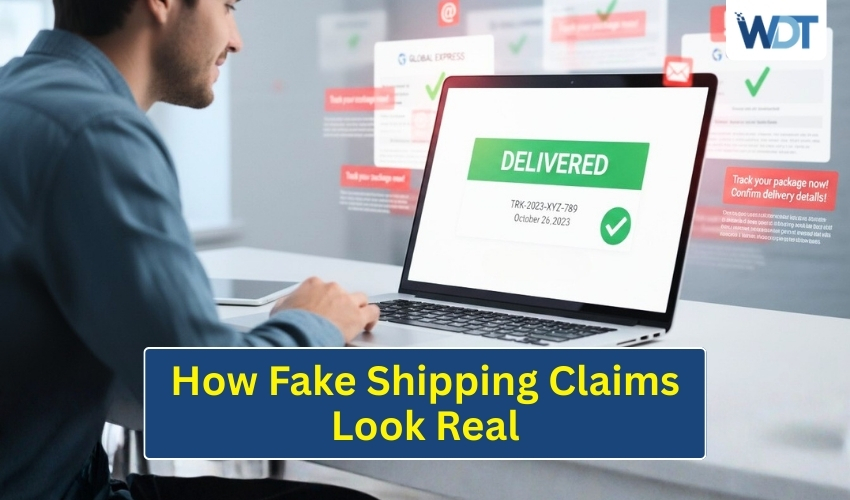
How Fake Shipping Claims Look Real
Online shopping has made deliveries a normal part of daily life. People track packages, wait for updates, and trust shipping messages without much doubt. Criminals understand this routine very well. They create fake shipping claims that look almost identical to real delivery updates. These messages appear through emails, texts, or websites and often mention delays, missed deliveries, or address issues. Because people expect shipping notices, they rarely question them. Fake shipping claims succeed by copying real details and timing. Knowing how these scams work helps users pause, check facts, and avoid losing money or personal information.
Why Fake Shipping Claims Feel Believable
Fake shipping claims feel real because they match everyday experiences. Most people receive delivery updates regularly, so seeing one does not feel unusual. Criminals copy real courier names, tracking formats, and message styles. They include order numbers or delivery times to increase trust. These details lower suspicion and make users feel the message connects to something they ordered.
Timing also plays a strong role. Fake claims often arrive when people expect a package or have recently placed an order. This connection feels natural. Criminals rely on this overlap to push users into quick action before they stop to think or verify the message.
Common Ways Fake Shipping Claims Reach Users
Fake shipping claims appear through channels people already trust. Criminals choose methods that feel urgent and personal. Some common delivery methods include:
- Text messages claiming delivery problems
- Emails with tracking links or alerts
- Pop-up pages after online purchases
Each method creates pressure to act fast. Criminals want users to click links or confirm details without checking the source.
Fake Tracking Pages That Copy Real Ones
Fake tracking pages are one of the strongest tools criminals use. These pages look almost identical to real courier tracking sites. They show logos, progress bars, and delivery timelines. Users feel safe because the page looks familiar.
Once on the page, users may be asked to confirm an address, pay a small fee, or log in to continue delivery. These steps feel reasonable, but they lead to stolen details or direct payments. Since the page looks real, many users do not question it.
The Role of Urgency in Fake Shipping Claims
Urgency is used to rush users into acting quickly so they do not pause to check details or question whether the shipping message is real.
Delivery Delay Warnings
These messages warn that a package will be sent back if you do not act fast. The pressure makes users rush without checking whether the claim is real.
Address Problem Notices
Users are told their address is wrong or incomplete. This creates panic and pushes them to click links or share details to fix the issue quickly.
Payment Requests
Small fees are requested to release or redeliver the package. The amount feels reasonable, so users pay without stopping to verify the request.
Final Notice Language
Phrases like “last attempt” or “final update” suggest no second chance. This urgency reduces careful thinking and forces quick action.
Authority Tone
Messages use firm and official wording to sound trustworthy. This tone makes users less likely to question the message or verify the sender.
How Fake Shipping Claims Steal Money and Data
Fake shipping claims often steal money through small payments. Victims may pay fees for redelivery or customs charges that do not exist. These amounts seem minor, so users pay without hesitation. Over time, these payments add up.
Personal details also matter. Names, addresses, phone numbers, and card details are collected and reused. Criminals may target victims again with new scams. The harm often continues long after the first fake shipping message.
Why Users Miss the Warning Signs
People trust shipping updates because they arrive often. The messages feel routine, not suspicious. Many users also read messages quickly, especially on phones. They glance at sender names and tracking numbers without checking links closely.
Another reason involves distraction. Users may be busy or expecting multiple deliveries. Criminals rely on this mental overload. When people are waiting for packages, fake claims blend in easily with real updates.
Differences Between Real and Fake Shipping Claims
A few simple checks can help you tell whether a shipping message is genuine or part of a scam.
Sender Contact Details
Genuine shipping messages come from verified company channels or known sender IDs. Random phone numbers or unknown email addresses are a common sign that the message may not be trustworthy.
Website Address
Fake shipping links often contain small spelling mistakes or extra characters in the address. These differences are easy to miss at first glance, but signal that the page is not genuine.
Payment Requests
Real courier services rarely ask for payments through text messages or emails. Requests for quick fees through links should always raise concern and deserve careful checking.
Tracking History
Valid tracking numbers usually show full delivery progress on the courier’s website. Fake tracking numbers often lead to empty pages or very limited information.
Message Quality
Fake shipping claims may contain small language mistakes or awkward wording. These errors suggest the message was rushed or copied, not sent by a professional service.
How Real Shipping Companies Usually Communicate
Real shipping companies follow consistent communication rules. They use official apps, websites, or verified emails. They do not pressure users through repeated urgent messages. Most delivery updates can be checked directly through the courier’s official website.
Payments, if required, are handled through secure accounts, not message links. Knowing how real services work makes fake claims easier to spot and ignore.
Simple Habits That Reduce Risk
Small habits make a big difference when dealing with shipping messages. Helpful steps include:
- Checking tracking numbers on official websites
- Avoiding clicks from unknown messages
- Not sharing personal or payment details
- Taking time before responding
Slowing down breaks the pressure scammers rely on.
Conclusion
Fake shipping claims look real because they copy trust, timing, and familiar details. They arrive when people expect deliveries and use urgency to push quick action. Most victims fall because the message feels normal, not because they are careless. By checking sources, avoiding rushed clicks, and trusting official websites, users protect their money and personal details. Awareness turns routine delivery updates into safer experiences.
FAQs
1. What is a fake shipping claim?
A fake shipping claim is a scam message that pretends to be a delivery update. It often asks users to click links, pay fees, or share details, even though no real delivery issue exists.
2. How can I verify a shipping message?
Open the courier’s official website and enter the tracking number manually. Do not use links from messages. Real delivery updates appear on official platforms.
3. Do real couriers ask for payments through texts?
Most real couriers do not request payments through text messages. Fees are handled through official accounts or during checkout, not through random links.
4. What should I do if I clicked a fake shipping link?
Close the page, do not enter details, and check your accounts. If information was shared, change passwords and contact your bank immediately.
5. Why are fake shipping scams increasing?
Online shopping has increased delivery traffic. Criminals know people expect shipping updates, making these scams easier to hide among real messages.