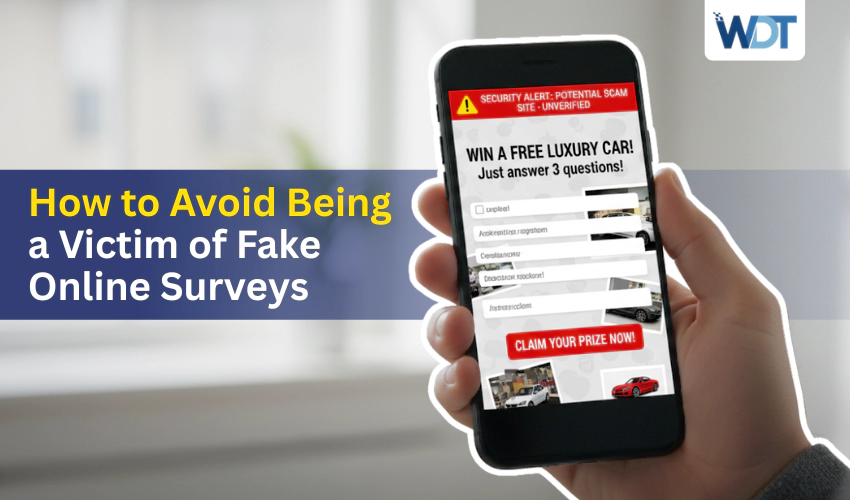
How to Avoid Being a Victim of Fake Online Surveys
Online surveys look like an easy way to earn a little extra money or get rewards. Many people try them during their free time, thinking they will get paid without much effort. But the internet is full of fake surveys that trick users into sharing private details, bank information, or login data. Some fake surveys even infect devices with bad software.
You can protect yourself with the right checks and simple steps. This guide explains how to avoid fake online surveys in plain English, so you stay safe while using the internet.
Why Fake Surveys Have Become Common
Criminals create fake surveys because it is an easy way to target people who want quick rewards. These surveys often promise:
- Cash
- Gift cards
- Coupons
- Free products
- Entry into lucky draws
Many people fall for these offers because the surveys look simple and the rewards look attractive. But the real aim is to steal your personal or financial information.
Signs of a Fake Online Survey
Fake surveys follow certain patterns. If you learn how they work, you can avoid them with ease.
Promises That Sound Too Good
Fake surveys often promise rewards that seem unrealistic, such as:
- Large cash for a short survey
- High-value gift items for just a few minutes of your time
- Offers that appear repeatedly on random websites
If the reward looks too big for the effort, it is likely fake.
Surveys Asking for Sensitive Information
A real survey never asks for:
- Bank account details
- Credit card numbers
- ATM PIN
- Passwords
- OTP
- Social media login
If you see these questions, leave the page instantly.
Poor Quality Website
Fake survey sites usually look poorly made. Common signs include:
- Many pop-ups
- Spelling errors
- Slow loading
- No SSL lock symbol
- Strange website address
A trusted survey platform always looks clean and professional.
Check the Website Before Taking Any Survey
Survey websites should be checked properly before you enter any details.
Look for Basic Safety Indicators
A safe website usually has:
- https in the URL
- A padlock icon in the browser bar
- Contact details on the page
- A privacy policy
If these things are missing, stay away.
Check the Website Name Carefully
Criminals often use website names that look similar to real survey platforms. They might change one letter or add extra words. Always double-check the spelling.
Avoid Clicking Random Survey Links
Many fake surveys spread through links shared on:
- Social media
- Messaging groups
- Ads on random websites
These links often lead to unsafe pages that may steal your data or install bad software on your device.
Do These Before Clicking a Survey Link
- Check if the link is shared by someone you know
- Look for spelling mistakes
- Avoid clicking links from strangers
- Hover over the link to see the real URL
- If unsure, avoid it
Never trust links that appear in comments or pop-up ads.
Only Use Trusted Survey Platforms
If you want to earn from surveys, stick to well-known platforms.
What Trusted Platforms Usually Provide
- Clear company details
- Support email or phone number
- Stable payment methods
- Reviews on Google
- Payout proof shared by real users
Trusted survey sites do not hide their identity.
Search for Reviews Before Joining
Before joining a survey website:
- Search the website name on Google
- Look for feedback from real users
- Check rating websites
- Check discussion forums
If most reviews look negative or unclear, skip it.
Avoid Survey Websites That Force You to Download Apps
Some fake surveys ask you to:
- Download unknown apps
- Install files
- Allow notifications
- Turn on unknown permissions
These apps may contain harmful software designed to steal data.
Safe Practice
Only download apps from:
- Google Play Store
- Apple App Store
Do not install APK files from unknown sources.
Protect Your Personal Information
Never share sensitive details while answering surveys.
Do Not Share This Information Type
- Full address
- Identity card numbers
- Bank details
- Family details
- Work details unless necessary
- Photos or personal documents
Real surveys usually ask general questions like your age group, hobbies, buying habits, and city. They do not ask private details.
Use a Separate Email for Surveys
Create a separate email account only for survey websites. This keeps your primary email safe from:
- Spam
- Unwanted ads
- Phishing attempts
Learn to Identify Fake Rewards
Fake surveys often show rewards instantly as soon as you click the link.
Common tricks include:
Warning Signs
- “You won a big prize” messages
- Spinning wheel rewards every time
- Rewards are displayed before the survey starts
- “Claim your reward by paying” offers
No genuine survey asks you to pay anything to receive a reward.
Stay Away From Surveys Asking for Payment
Some fake surveys ask for:
- Small entry fees
- Shipping charges
- Registration fees
- Processing fees
This is a clear scam. Real survey platforms never ask for money.
Keep Your Device Safe
A secure device protects you from many online threats.
Good Habits You Should Follow
- Install a trusted security app
- Update your phone software
- Avoid unknown browser extensions
- Scan your device regularly
- Use a screen lock
- Avoid connecting to unsafe WiFi
A clean device lowers your chances of falling for fake surveys.
What to Do if You Entered a Fake Survey
If you think you answered a fake survey or shared some details, act fast.
Steps You Should Follow
- Change your passwords
- Log out of all accounts
- Scan your device
- Check for unknown apps
- Block suspicious emails
- Watch your bank account for any strange activity
- Contact your bank if you shared financial details
Quick action helps reduce impact.
Conclusion
Fake online surveys are everywhere, but you can protect yourself with simple checks. Watch out for surveys with big promises, strange links, and requests for private information. Use trusted platforms only, keep your device secure, and never pay any money to claim a reward. With careful steps, you can stay safe while browsing and avoid falling for fake survey traps.