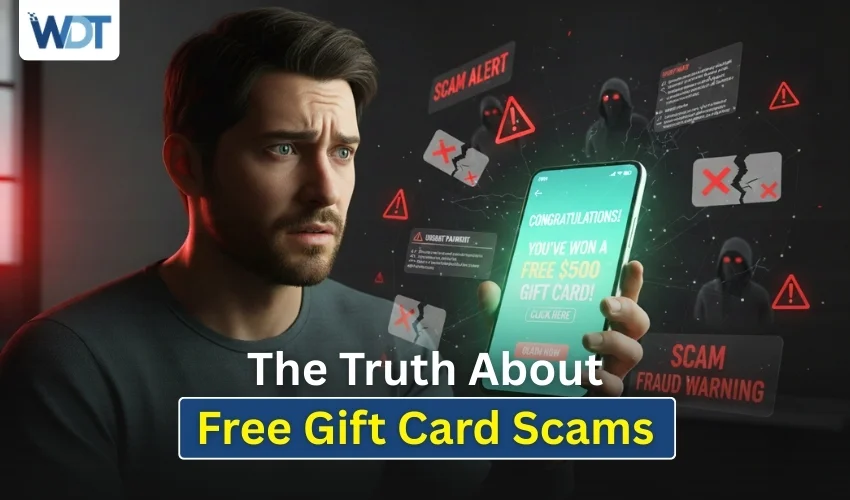
The Truth About Free Gift Card Scams
Free gift card offers appear everywhere today. People see them in emails, text messages, pop-up ads, and social media posts. A message promising a reward can feel exciting and harmless, like a small win during a busy day. Sadly, many of these offers hide scams. Criminals use gift cards because they are easy to move, hard to track, and widely trusted. Once someone responds, money or personal details often disappear quickly. Knowing the truth about free gift card scams helps people pause, think clearly, and protect their money, accounts, and personal information from lasting harm.
Why Free Gift Card Scams Attract So Many People
Free gift card scams work because they connect with simple human habits. People like rewards and often believe small offers carry little risk. Many users also trust familiar brand names and logos without checking details. Scammers build messages that feel friendly and casual, which lowers suspicion.
Another reason these scams spread fast is timing. Messages often arrive during busy moments, when people skim instead of reading carefully. A quick click feels easier than slowing down. That moment of speed gives scammers exactly what they want.
Common Ways Free Gift Card Scams Appear
Free gift card scams take many shapes, depending on where users spend time online.
Survey and Quiz Offers
These scams promise a gift card for completing a short survey or quiz. The questions keep going, asking for emails, phone numbers, or addresses. The reward never arrives, but the collected data moves on to other scams.
Fake Giveaway Messages
Messages claim you were selected or won a prize. If you never entered a giveaway, the message is false. The goal is to push quick clicks before doubt sets in.
Social Media Comments and Messages
Scammers leave comments saying you won or send private messages with links. Profiles often look new or copied, but many users do not check.
Email Gift Card Offers
Emails may appear to come from popular stores. Urgent subject lines push fast action, while links lead to fake pages.
How Scammers Create Trust So Quickly
Scammers focus on building trust before users start questioning. They copy brand colors, logos, and writing style to look familiar. Messages often sound friendly, polite, and helpful instead of threatening. Some include fake reviews or comments that praise the offer. These details calm doubt and make the scam feel safe.
Scammers also avoid obvious mistakes. Messages look clean and short, which makes people assume they are real. This false comfort is one of the strongest tools scammers use.
The Role of Urgency and Emotion
Urgency pushes people to act before thinking clearly. Many gift card scams include countdowns or deadlines. Phrases like “final chance” or “offer ends today” create pressure.
Emotion also plays a role. People feel excited about rewards or worried about missing out. These feelings reduce careful thinking. Scammers rely on that short window when emotion wins over logic.
Clear Warning Signs You Should Never Ignore
Most free gift card scams show patterns that repeat.
- Requests for payment or fees
- Requests for gift card numbers or codes
- Requests for login details
- Poor spelling or odd links
- Pressure to act fast
Real gift cards never ask for payment before delivery. Any request like that signals danger.
Why Real Companies Do Not Send Random Gift Cards
Real businesses follow strict rules when offering rewards. They announce promotions publicly, explain terms clearly, and never rush users. They do not ask for passwords, codes, or upfront payments.
Random messages promising rewards rarely come from real companies. If an offer cannot be confirmed on the official website, it should not be trusted.
What Happens After Someone Falls for a Gift Card Scam
The damage often goes beyond one loss. Scammers may reuse stolen details or sell them to others. Victims may receive more scam messages later.
Money sent through gift cards is hard to recover. Accounts linked to shared details may face misuse. Many people feel embarrassed, which delays reporting and allows more harm to happen.
What to Do If You Responded to a Gift Card Scam
Quick steps can limit damage.
- Change passwords on affected accounts
- Check bank and card activity
- Block the sender
- Report the scam
- Warn friends or family
Fast action helps reduce future losses.
Simple Habits That Lower Your Risk
Daily habits make a real difference. Slow down when reading reward messages. Avoid clicking links in messages. Search for offers directly on official sites. Never pay fees for rewards. Do not share gift card codes or login details. These small steps protect you more than reacting after a mistake.
Why Scammers Often Demand Gift Cards as Payment
Scammers also ask victims to pay with gift cards for fake bills, fines, or support services. Gift cards act like cash and offer no refunds. No real business or authority asks for gift cards as payment. Any request like this should stop the conversation immediately.
Helping Others Stay Safe
Sharing knowledge helps protect families and communities. Older adults, teenagers, and new internet users often face a higher risk. Talking openly about scams removes shame and helps others spot danger faster.
Final Thoughts
Free gift card scams succeed because they mix trust, speed, and emotion. While real promotions exist, random offers filled with urgency usually hide traps. Slowing down, checking sources, and refusing to pay for rewards protects money and personal details. Awareness turns a tempting message into a clear warning instead of a costly mistake.
FAQs
1. Are free gift cards ever real?
Some real promotions exist, but they come from official sources, public announcements, and clear rules. Random messages offering rewards are usually scams.
2. Why do scammers prefer gift cards?
Gift cards are easy to sell, hard to trace, and difficult to recover. Once shared, money is usually gone.
3. Can small payments lead to bigger losses?
Yes. Small fees often lead to repeated charges or account access misuse later.
4. Should I click links to verify gift card offers?
No. Always visit official websites directly instead of using links in messages.
5. What should I do after reporting a gift card scam?
Block the sender, warn others, and monitor accounts for unusual activity.